You’ve got money set aside for a billboard. Now comes the hard part. Do you pick one busy spot and stay there, or keep moving so more of the city sees you?
Honestly, both can work. Both can also burn cash if they don’t match what you want. A pizza shop that wants drivers to turn at the next light needs something different from a new bank that wants the whole town to know its name.
If you’re new to billboard advertising, it helps to know the basics before you sign a contract. So let’s go through them.
Here’s where it lands. Stay in one spot if you want to own your corner of town and point people to your door. Rotate if you want the whole market to know who you are. And if your budget stretches, you can do a little of both.
What “Staying” and “Rotating” Mean
These aren’t just ideas. They’re real products.
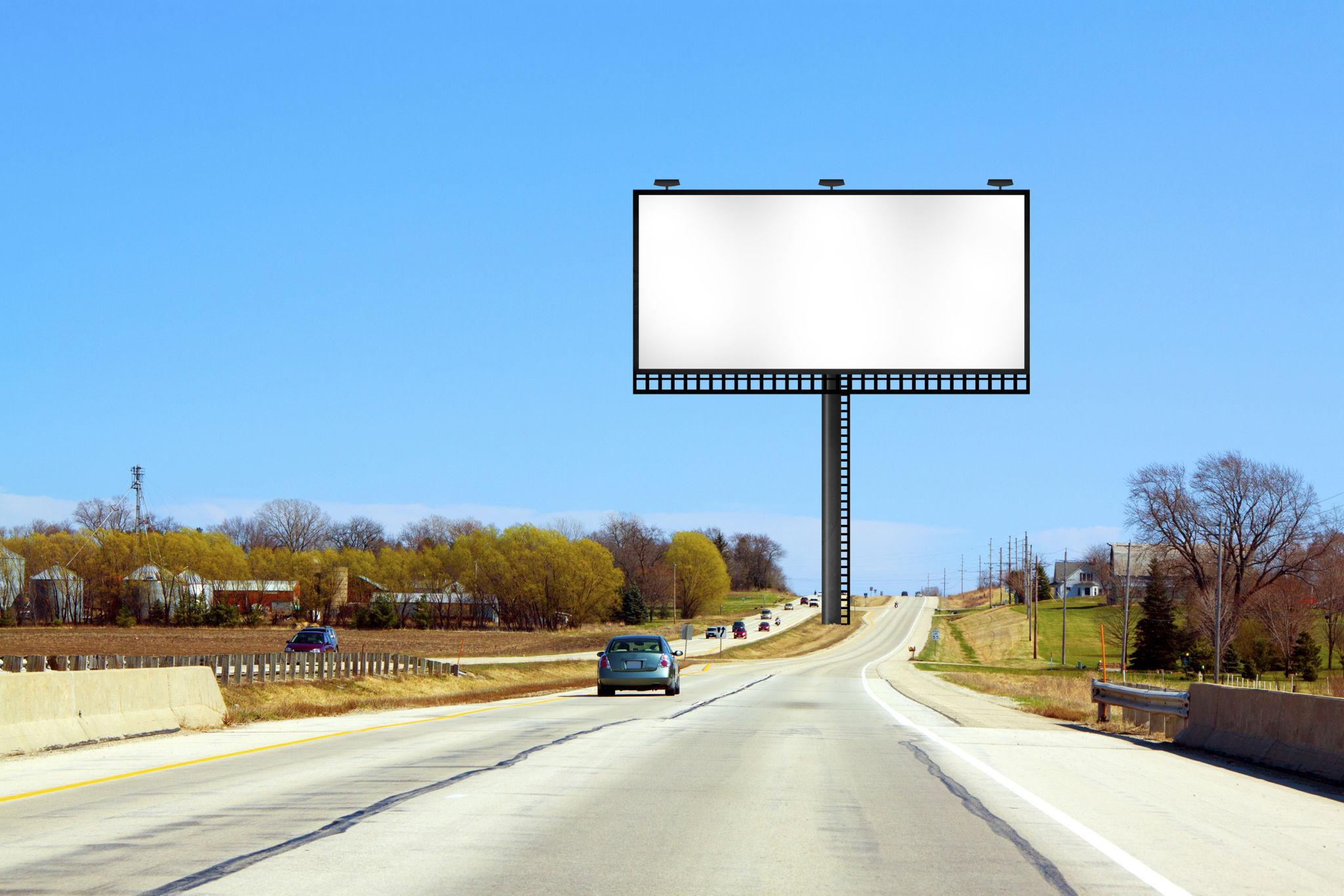
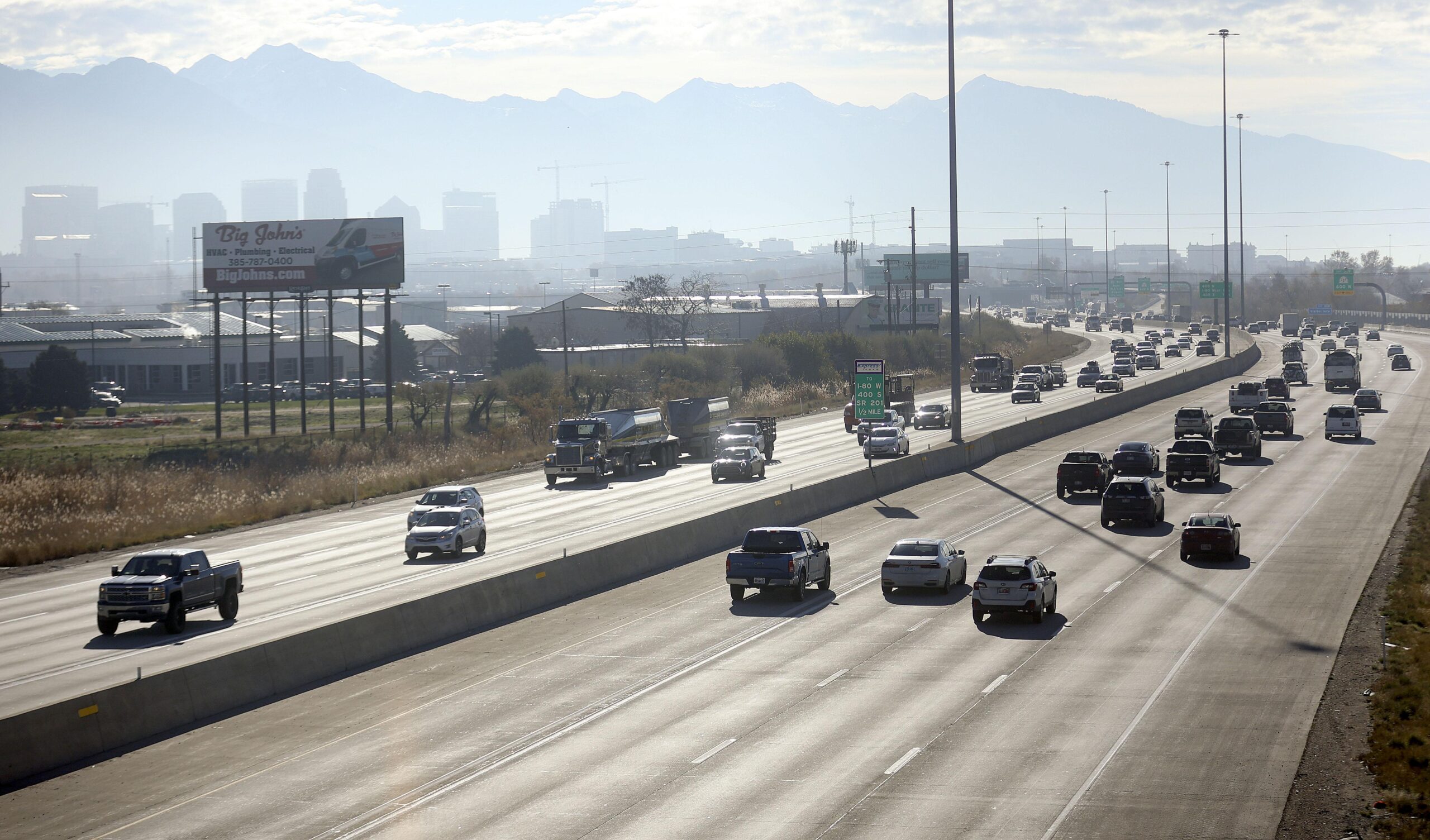
Staying put means a permanent bulletin. That’s a big board, usually 14 feet by 48 feet, set up on a busy highway or a major intersection. Your ad stays on that one board for the whole contract.
Rotating means a rotary bulletin. Same big size, but your message moves to a new high-traffic spot about every 8 weeks. Only the best boards are used for this, the ones with the best views and the most demand.
So a permanent bulletin is like owning a shop on the busiest corner. A rotary is more like a food truck that parks somewhere new every couple of months.
When Staying in One Spot Is Smart
Staying put works best when your customers live or drive near you. A clinic, a car lot, a diner. They don’t need the whole city to see them. They need the people nearby to know they’re there.
It also works well when you want to guide people. A sign that says “next exit” is only useful if it’s always at that exit.
And there’s the repeat factor. Drivers pass the same board on the same road every day. After a few weeks, your name starts to feel familiar. That kind of trust is hard to buy any other way.
Permanent boards can also get fun add-ons, like extensions or even 3D objects. Those help you stand out on a crowded road.
When Rotating Is Smart
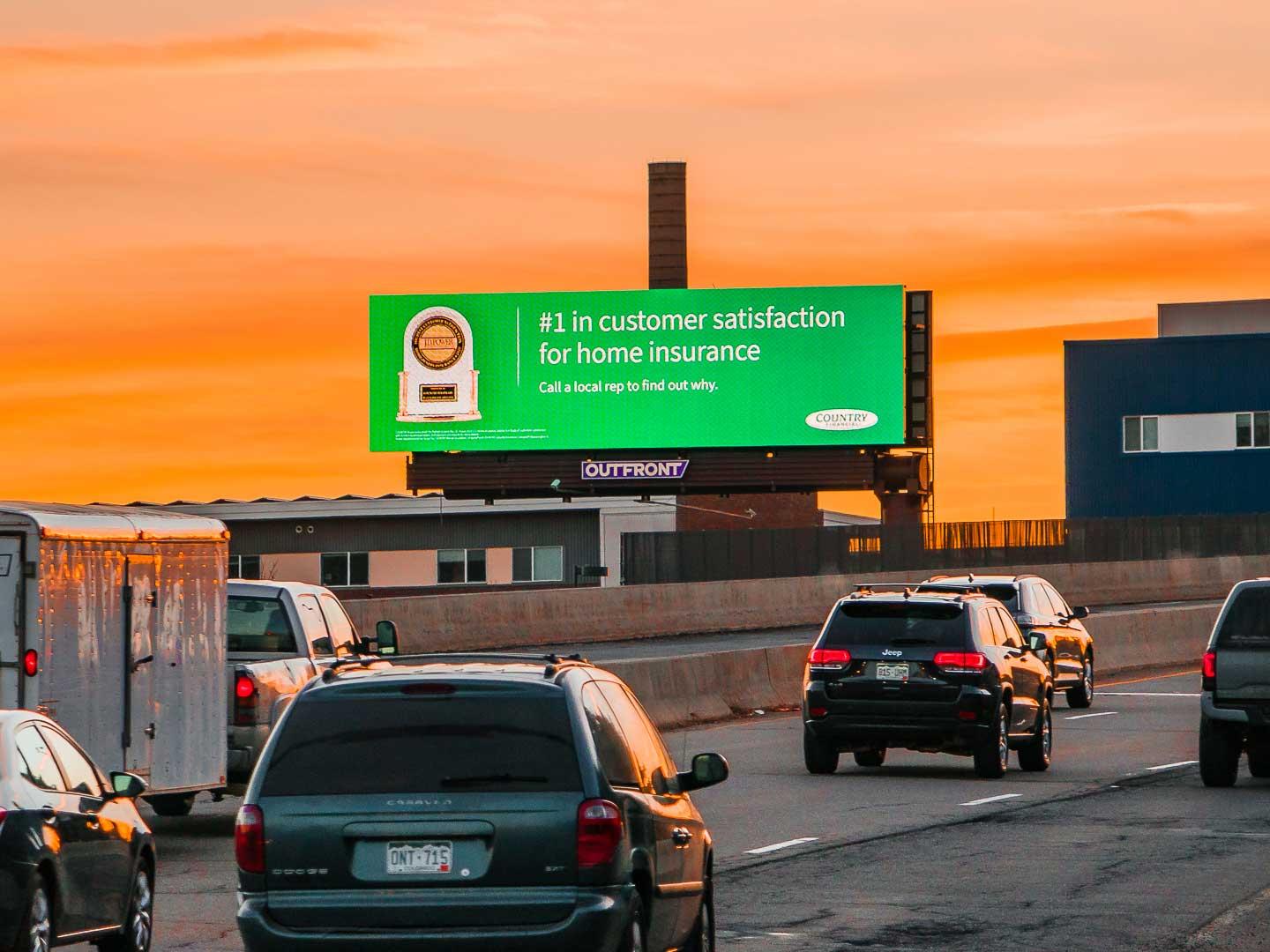
Rotating is better when you want to be seen everywhere. Maybe you’re opening a new store or launching a new brand. Maybe your customers are spread out across town.
When people spot your ad in lots of places, they tend to think you’re a bigger name. You also reach more neighborhoods and more types of people over time. And since your board stays put for about two months before it moves, you still get repeat views at each stop.
What About Digital?
Digital boards are the in-between choice, and they’re worth a look.
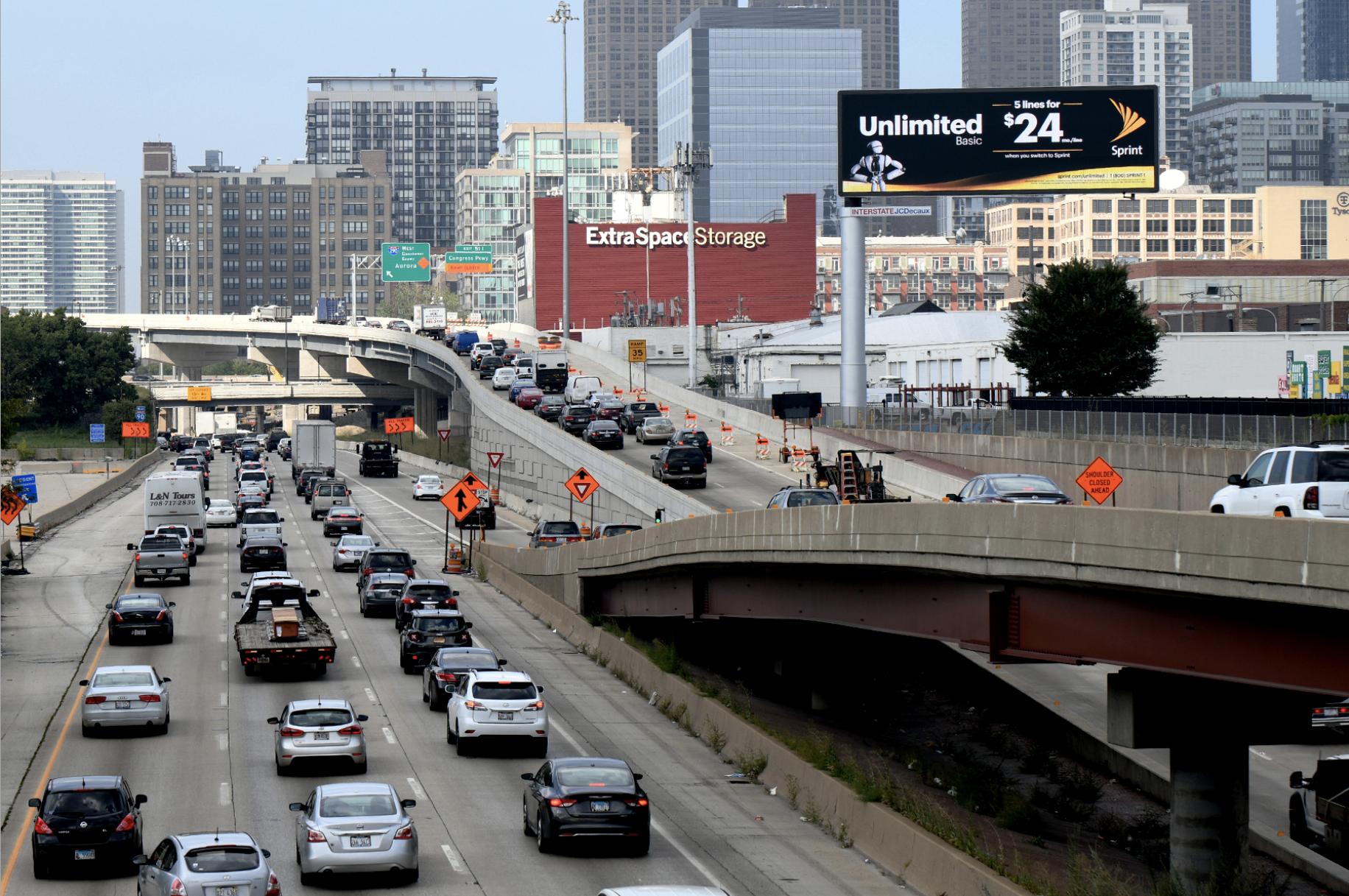
They’re bright, they run day and night, and you can change your message fast. There’s no printing, so updates don’t cost extra to produce. That’s great for sales, events or anything that changes often. You can also buy more than one “flip” on a single board. So you can keep a great location and still switch up what you say.
Posters Are Another Option
Posters work in groups, not one at a time. They usually run in four-week cycles and sit on main streets in neighborhoods. A big set can blanket a market quickly, and you can change the ad and the spots every four weeks.
If you’ve got a grand opening or a short event coming up, posters can spread the word fast.
Why Billboards Are Worth It
Billboards can’t be skipped, muted or closed. People just see them.
Nielsen and Arbitron research show that outdoor ads reach about 99% of adults aged 18 to 64 each week. Among people who saw outdoor ads in the past month, 39% visited a store they saw advertised, and 40% visited a restaurant. Outdoor also costs us about $2 to $9 per thousand people reached. TV runs $10 to $32.
That’s a big reason why outdoor advertising still makes sense for the local businesses we work with
Can You Do Both?
Yes. Plenty of advertisers do.
Say you run a home repair company. You might put one permanent bulletin on the busiest road near your office, so locals see you every morning. Then you add a rotary to spread your name across the rest of the market. If you’ve got a seasonal special, a digital board can carry that short message.
You don’t have to do it all on day one. Start with one, see how it goes, then add more. With billboard advertising, a steady plan that grows usually beats one big splash that fades.
Five Questions Before You Decide
Ask yourself these first:
- Do I want to be found or known? Found means staying put. Known means rotating.
- Who am I trying to reach, and where do they drive?
- How long do I need to run?
- What can I spend? One strong board often beats a few weak ones.
- How often will my message change? If it changes a lot, look at digital.
Mistakes That Cost Money
Picking a spot by traffic count alone. A busy road is good. But drivers need to actually see your board. Ask about the view, how fast cars go and which way they face.
Putting too much on the board. Simple designs tend to work best. Many designers try to stay around seven words or fewer.
Forgetting what people should do next. Give them a phone number, a web address or a place to go.
Judging too soon. Give your ad a full cycle before you decide. Watch your calls, store visits and website traffic. And ask new customers how they found you.
Using one message everywhere. If you rotate, think about who lives and drives in each area.
Quick Answers
How do I know a spot is really high traffic?
Ask for traffic counts, and ask about the view of the board. Those two tell you more than a busy road alone.
Can I switch from a permanent bulletin to a rotary later?
Often, yes, usually when your contract ends. Ask before you sign.
How long before I judge the results?
Give it at least one full cycle. Billboards build over time, so a few days isn’t enough.
The Bottom Line
There’s no one right answer for every business. There’s just the right one for yours. If you want to own a corner and point people to your door, staying put is hard to beat. If you want the whole market to know your name, rotating gives you more reach. And if your message changes a lot, digital can keep up.
Not sure where to start? Talk to a local team that knows the roads in your market. For billboard advertising in Austin, Chattanooga, Indianapolis, Iowa, Las Vegas, Rochester or Salt Lake City, contact Reagan Outdoor Advertising. Tell them your market and your goal, and they’ll put together options that fit.