What if your billboard could swap its message depending on the weather, the time of day, or what's happening nearby? A few years ago that would've sounded like a pipedream. Now it's just... normal. Programmatic buying has quietly reshaped outdoor advertising in 2026. Brands aren't just fighting over the busiest intersection anymore. They're chasing the right moment. Here's how AI fits in, why the old way isn't dead yet, and what any of this means for your next campaign.
Reagan Outdoor has been around for over 50 years. Austin, Utah, Nevada-we've had boots on the ground in all of it. We've watched this industry go from painted boards to digital screens to the automated, always-on world we're in today. So here's what actually matters right now.
So what even is programmatic OOH?
Let's skip the buzzwords.
The old way goes like this. You call a media company. You negotiate a rate. You sign a contract locking your ad onto one board for a set stretch. It's simple, which has its appeal. But it's also stiff as a board. If it pours rain for three days, your sunscreen ad keeps smiling away. If the big game down the road gets cancelled, your clever tie-in falls flat.
Programmatic DOOH works more like the ads you see online. Automated platforms. Live data. Advertisers can bid for screen time, aim for specific windows, and swap out creative in near real time when conditions change.
The numbers tell the story. Spend has climbed into the billions. About 64% of buyers plan to pump more money into it this year-second only to social media.
Short version: outdoor ads are starting to behave a lot more like digital ads. And for a lot of businesses, that's a good thing.
So why did we go from buying locations to buying moments?
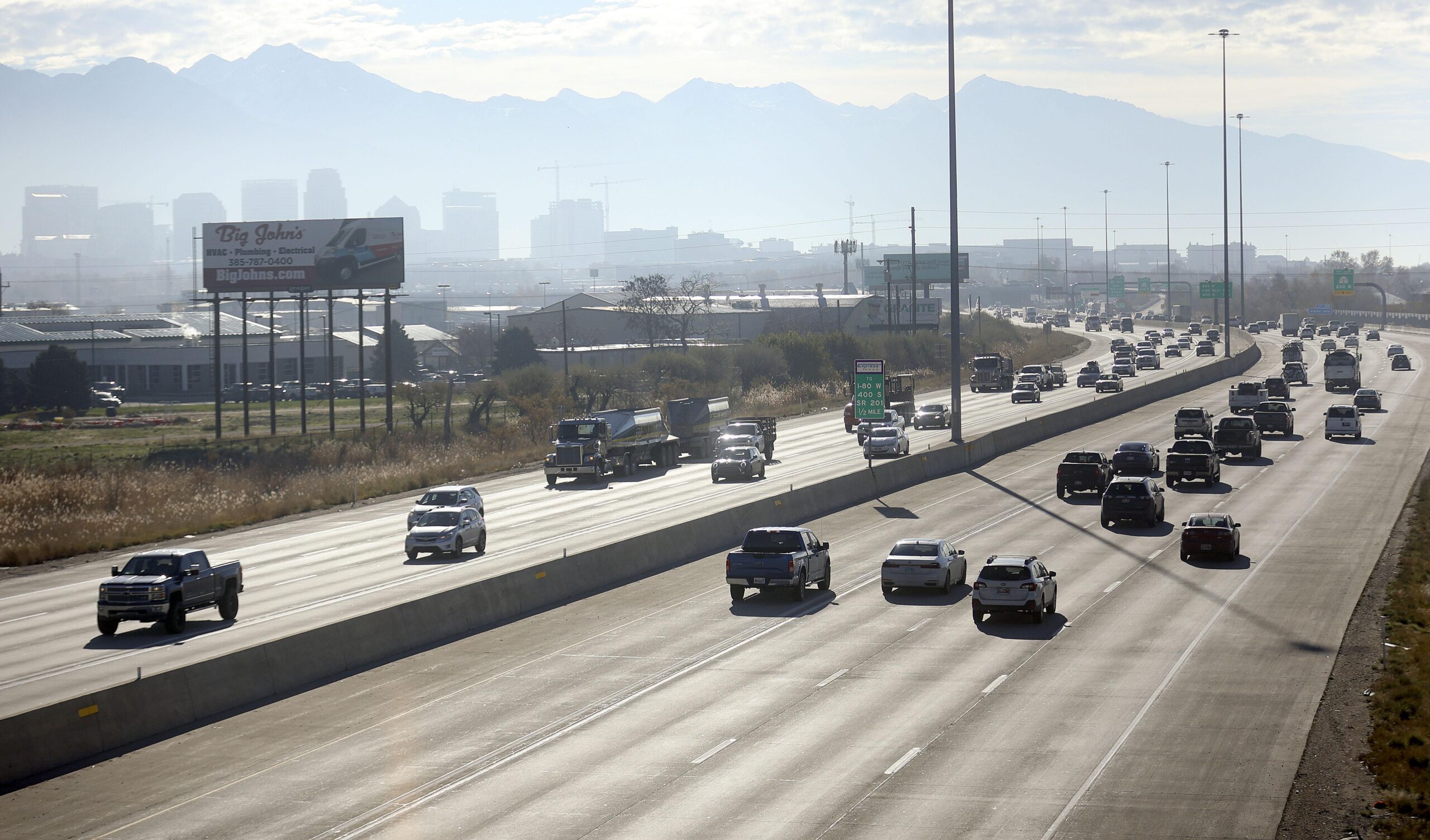
For ages, outdoor advertising was all about real estate. The busiest intersection. The highest traffic count. The most eyeballs. And that still works like a charm for plenty of campaigns. Reagan's permanent bulletins at strategic high‑traffic spots give you steady visibility that builds your brand over time.
But then data got sharper. Screens went digital. And advertisers started asking a different question.
Instead of "how many cars drive past?" they started asking "are these the right people, at the right time, in the right mood?"
In 2026, brands aren't just buying a spot on a highway. They're buying that moment when the temperature drops below 40 and a coffee ad appears. Or when pollen counts spike and an allergy message pops up near a pharmacy. That's the shift. From static placement to dynamic relevance.
Industry folks put it bluntly: "OOH in 2026 will be about buying moments, not locations."
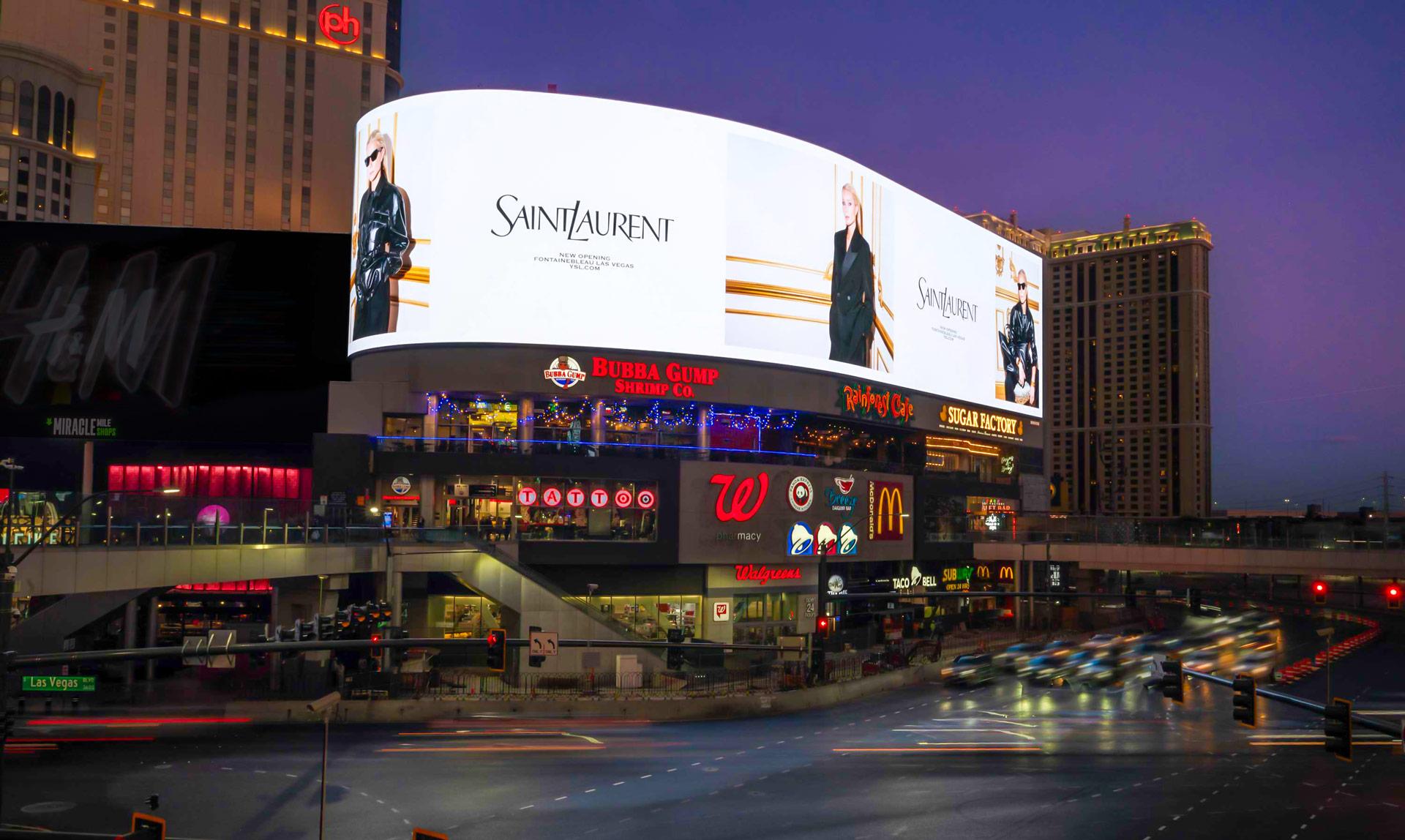
Reagan's digital billboards make this possible. Bright, high‑def displays running 24/7 with no printing costs. Messages can be updated almost instantly, with multiple creative variations keeping things fresh.
How does live data actually change what shows on a screen?
This is where things get interesting. A programmatic billboard isn't just looping a fixed set of ads anymore. It's reacting.
In 2026, campaigns lean heavily on data signals like where you are, what time it is, the weather, and even product availability to switch up the message in real time. That's not marketing fluff. That's tech running right now.
Here are some real examples:
- A restaurant chain shows breakfast ads during the morning commute, lunch specials at noon, and dinner promos later-all on the same screen.
- Heineken ran a temperature‑triggered thing. When it got cold, digital screens pointed people to the nearest pub. Their line: "the best way to stay warm is a cold Heineken with friends."
- P&O Cruises used live weather data at cruise destinations. Sunny in one spot, rainy in another-the creative flipped to the sunny one.
- Schroders, an asset manager, used dayparting and weather triggers to reach people in high‑footfall areas at the perfect moment.
Dynamic creative optimization (DCO) has moved from test to real strategy. Platforms are faster, AI speeds up production, and the whole thing is getting cheaper and easier.
Where does AI fit into all this?
AI isn't just cranking out ad images. It's running the entire back end.
Today's programmatic platforms use agentic AI-think autonomous systems that make real‑time decisions to hit your campaign goals. These systems study audience behaviour, predict the best moments for your ad, and fire off dynamic creative that shifts with things like weather, events, or traffic.
The result? Campaigns that keep getting better without someone tweaking them every hour. Less guesswork, better results.
AI also helps with the planning. Instead of a buyer picking spots on gut feel, AI models dig through movement patterns, dwell times, and behaviour data to suggest where and when your ad should appear. Some platforms are even building what they call an "AI precision loop"-your campaign constantly sharpens itself based on live foot traffic and sentiment.
That's why the industry says "the most effective DOOH campaigns will harness real‑time aggregated data streams to deliver hyper‑relevant messaging."
Can you actually tell if someone did something after seeing your billboard?
For years, that was the knock on outdoor. Sure, lots of eyeballs. But did anyone actually do anything?
Programmatic DOOH has mostly fixed that. New measurement tracks what happens after someone sees an ad, turning OOH from an awareness‑only thing into something way more accountable.
The numbers we can look at now:
- Footfall attribution: did store visits go up near your boards?
- Brand lift studies: asking folks who saw the ad vs. those who didn't.
- Online conversion tracking: checking if searches or website visits spike where your boards are running.
Right now, 74% of buyers look at brand uplift, and 60% track footfall. More advanced stuff like online conversions and incrementality are growing fast. And get this-73% of people take a digital action after seeing a DOOH ad. That could be searching, posting, or clicking around.
This isn't just for big national brands. A local café can see whether its Austin poster campaign brought in more breakfast orders. A retail chain can see if its digital boards drove foot traffic to certain stores. The measurement gap is closing.
Do old-school billboards still matter?
Absolutely. Anyone who says otherwise is trying to sell you software.
Programmatic DOOH gives you flexibility and measurable results, but traditional OOH still holds its own for certain goals. Long‑term placements, transit takeovers, and fixed sponsorships build lasting brand presence in a market.
Reagan's rotary bulletin program is a perfect example. Your message rotates across different high‑traffic spots every eight weeks, giving you dominance and high frequency across a whole area. That kind of broad, slow‑burn brand building is tough to replicate with short‑term programmatic bursts.
Digital and traditional work best when they're together. Use programmatic DOOH for tactical, time‑sensitive stuff where context matters. Use permanent bulletins and poster networks for long‑term brand building, directional ads, and neighborhood dominance.
The smartest advertisers blend both.
How does this help a local business, not just a giant brand?
Most of Reagan Outdoor's business actually comes from helping local advertisers. The idea that billboards are only for the big guys is old news.
Programmatic makes outdoor even more reachable for local spots. Here's why:
- No long‑term lock‑in. Run ads for days or weeks, not months.
- Smaller minimum spends. You don't need a fat budget to test a DOOH campaign.
- Hyper‑local targeting. Show ads only on screens in particular neighborhoods or along certain commuter routes.
- Creative changes cost nothing. Swapping a digital file is instant and free, unlike printing new vinyl.
Reagan works with businesses of all sizes. Whether you need a smart poster campaign across Austin's busiest roads or a full digital board program with dynamic messaging, there's an option that fits.
FAQS
What's the least I can spend on a programmatic OOH campaign?
It varies, but many programmatic DOOH campaigns start well below what a traditional static board costs. Digital means no printing, no production-just the screen time. That lowers the barrier a ton.
Can I change my billboard creative mid‑campaign?
On a digital board, yes. That's one of the best parts. With Reagan's digital billboards, messages can be updated almost instantly. No printing. No delay. Just a new creative file.
Is programmatic OOH replacing traditional billboards?
No. They're teammates, not rivals. Traditional bulletins and posters are unbeatable for long‑term brand presence. Programmatic DOOH shines at tactical, context‑sensitive stuff. Reagan offers both, and a mix is usually smartest.
How do I know if my billboard actually worked?
You can track website traffic from the zip codes where your boards run. You can run brand lift surveys. If you have a shop, footfall attribution tools can measure if visits spiked during the campaign. The old "I think it worked" days are fading.
Does Reagan Outdoor handle creative, or do I need an agency?
Reagan has a full‑service art department. Whether you need a clean, punchy design for a bulletin or multiple variations for a programmatic push, they've got it covered. Good creative design is a big deal because a simple, clear message gets the best ROI.
Can I target specific neighborhoods in Austin?
Yep. Reagan runs strategic poster campaigns along specific high‑traffic roads and commuter routes across Austin, creating a web of visibility where your audience sees your message again and again. Programmatic DOOH lets you get even finer with audience‑based targeting in those areas.
The Bottom Line
Outdoor advertising in 2026 isn't just about real estate anymore. It's about relevance. Programmatic DOOH lets advertisers buy moments-when it rains, when it's rush hour, when the game finishes, when foot traffic jumps. AI does the heavy lifting. Measurement proves it works.
Traditional billboards still anchor brand presence. Reagan's bulletins, rotaries, and poster networks give you the steady, high‑frequency exposure that builds trust over time. Digital and traditional work best when they're both in the mix.
If you're advertising in Austin, across Utah, or in Northern and Southern Nevada, Reagan Outdoor has been doing this for over 50 years. We know outdoor. We also know programmatic. And most importantly, we know how to blend the two so your message hits the right people at the right moment.
Ready to buy moments, not just locations? Give us a call and let's talk about what makes sense for your business. No jargon. No pressure. Just a straight conversation about what actually works